Your car does not always warn you with a dramatic breakdown. More often, the early signs are small: a tire that looks low, a warning light that stays on, a faint fluid spot in the driveway, or a wiper that leaves a blurry streak.
These details are easy to dismiss when you are heading to work or taking the kids across town. However, a few minutes of attention each week can help you catch minor problems before they become major repairs.
Think of this routine like a health checkup. You do not wait for a serious illness before paying attention to your health. Your vehicle deserves the same preventative mindset.
This five-minute checklist is designed for quick weekly checks or a brief review before a longer drive around Bonne Terre, Park Hills, Desloge, or beyond. It does not replace the maintenance schedule in your owner’s manual or a professional inspection, but it can help you stay aware of your vehicle’s condition.
Before You Begin: Make the Check Safe
Park your vehicle on level ground in a well-lit area. Set the parking brake and turn the engine off.
If you are checking under the hood, make sure the engine is cool. Never open a hot radiator cap or reach near moving belts, fans, or other engine components.
Keep these items nearby:
- A tire-pressure gauge
- A flashlight
- A clean rag or paper towel
- Your vehicle owner’s manual
You do not need to diagnose every problem yourself. Your goal is simply to notice changes and respond promptly.
Minute One: Walk Around Your Vehicle
Start with a quick exterior walk-around. This takes less than a minute and can reveal issues before you pull into traffic.
Look at the Tires
Check all four tires, including the spare if it is accessible. Look for:
- A tire that appears lower than the others
- Cuts, cracks, bulges, or damaged sidewalls
- Nails, screws, or other objects in the tread
- Uneven wear along the inside or outside edge
- Tread that looks unusually shallow
Tire pressure can change with temperature. Missouri’s cold winter mornings can reduce tire pressure, while summer heat can affect how your tires feel and wear. Use the pressure listed on the driver’s door-jamb sticker, not the maximum pressure printed on the tire sidewall.
Underinflated tires can wear quickly and reduce fuel efficiency. They can also affect handling, especially during wet weather or sudden stops.
For more tire-care guidance, review our article on when and why you should get a wheel alignment and tire check.
Check Under the Vehicle
Look at the ground where your car is parked. A small spot may be harmless condensation from the air conditioner, but new or growing fluid spots deserve attention.
Pay attention to:
- Dark brown or black fluid, which may indicate an oil leak
- Bright green, orange, pink, or yellow fluid, which may be coolant or another automotive fluid
- Red or brown fluid, which may be transmission or power-steering fluid
- Clear fluid with a strong chemical smell, which may require inspection
Do not taste or touch an unknown fluid. Instead, note its location, color, and approximate size before contacting a professional.
A small leak is often easier and less expensive to repair than the damage caused by driving until a fluid level becomes dangerously low.
Test Your Lights
Turn on your headlights, hazard lights, and turn signals. Walk around the vehicle to confirm the lights are working.
If you are alone, use a garage door or wall reflection to check the headlights. Ask someone to press the brake pedal while you check the brake lights.
Working lights help other drivers see you, particularly during early-morning commutes, rain, fog, and winter darkness. A burned-out bulb may be a simple repair, but it should not be ignored.
Minute Two: Check Under the Hood: Only When Cool
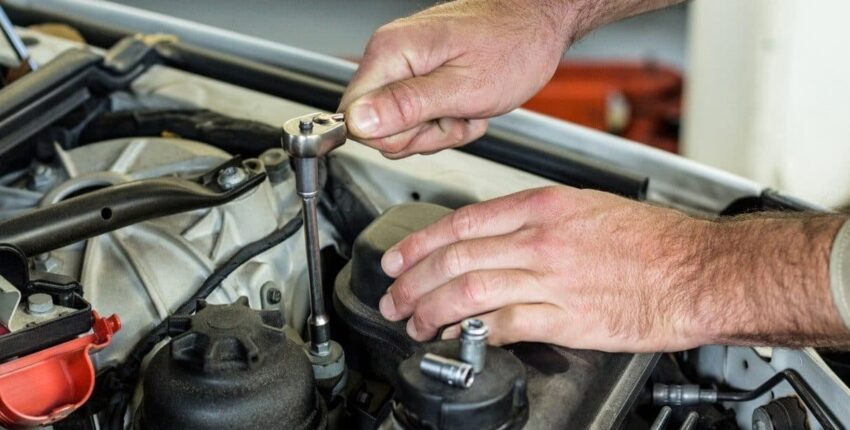
You do not need to become a mechanic to make a quick under-hood check. Look for visible changes and fluid levels that are easy to read.
Check Oil Level
If your vehicle has an accessible dipstick, park on level ground and follow the instructions in your owner’s manual. Usually, you will:
- Remove the dipstick.
- Wipe it clean.
- Reinsert it fully.
- Remove it again and check the level.
The oil should fall between the marked areas. If it is low, use only the oil grade recommended for your vehicle.
Oil is like the lubrication in your joints. It helps moving engine components work smoothly and reduces friction. Letting the oil level remain low can increase wear and contribute to expensive engine damage.
If the oil looks milky, gritty, or unusually contaminated, do not assume that adding more will solve the problem. Schedule an inspection.
AAA recommends regular oil checks, while Consumer Reports emphasizes following the vehicle manufacturer’s maintenance schedule for oil changes. You can read more about the importance of ongoing care in our guide to how routine maintenance extends the life of your vehicle.
Look at Visible Fluid Reservoirs
With the engine cool, check the visible levels of:
- Coolant in the expansion or overflow tank
- Brake fluid
- Windshield washer fluid
Fluid levels should generally sit between the “MIN” and “MAX” marks. Do not open sealed systems or remove a radiator cap when the engine is hot.
A low fluid level may mean normal use, a service interval is due, or a leak is developing. A technician can determine which situation applies.
Inspect Belts and Hoses
If they are visible, look for cracked, frayed, glazed, swollen, or leaking belts and hoses. You may also hear a squeal when the engine is running.
Do not place your hands near moving parts. If you see damage or hear a new noise, arrange a professional inspection rather than waiting for the component to fail.
Minute Three: Check the Dashboard and Interior
Start the vehicle and watch the dashboard. Most warning lights should turn off shortly after the engine starts.
Pay attention if any of these remain illuminated:
- Check engine light
- Oil pressure light
- Battery or charging-system light
- ABS light
- Airbag light
- Tire-pressure monitoring system light
- Temperature warning light
A warning light is your vehicle’s way of asking for medical attention. Resetting it without finding the cause is like covering a fever with a blanket and carrying on as if nothing is wrong.
If the check engine light is flashing, or the oil-pressure, temperature, or brake warning light appears, stop driving when it is safe to do so and seek professional help. Continuing to drive may increase the risk of damage.
Our dashboard diagnostics guide explains why modern warning lights should be diagnosed with the correct equipment instead of guessed at.
Test Wipers and Washer Fluid
Run the windshield wipers briefly. Watch for:
- Streaking
- Skipping
- Chattering
- Torn rubber
- Areas the blade does not contact
Visibility matters every day, but it becomes especially important during heavy rain, road spray, and winter precipitation. Replace worn blades and keep the correct washer fluid in the reservoir. Plain water may freeze in Missouri’s colder weather.
Check Seatbelts and Mirrors
Make sure each seatbelt latches and retracts smoothly. Adjust your mirrors before driving, and check that they provide a clear view around the vehicle.
These checks take seconds but contribute directly to your safety.
Minute Four: Pay Attention During the First Drive
The first few stops and turns provide valuable information. Listen and feel for changes.
Notice Brake Performance
When you apply the brakes, watch for:
- Squealing or grinding
- A soft or sinking pedal
- Pulling to one side
- Pulsation or vibration
- Increased stopping distance
A light, occasional squeak may have a simple cause, but persistent noise or a change in pedal feel deserves prompt attention. Brake pads are less expensive to replace before worn material damages the rotors, calipers, or other components.
Learn more in our guide to signs your brakes and rotors need an immediate check.
Feel the Steering and Ride
Notice whether the vehicle:
- Pulls left or right
- Wanders on a straight road
- Vibrates through the steering wheel
- Clunks over bumps
- Feels unusually loose or harsh
These symptoms may involve tire pressure, wheel alignment, steering, or suspension components. Bonne Terre-area roads, potholes, rough pavement, and seasonal changes can all contribute to wear.
A professional alignment or inspection may correct a small issue before uneven tire wear or suspension damage develops.
Minute Five: Check Your Maintenance Records
The final minute is about timing. Look at your maintenance records, sticker, or vehicle app and ask:
- When was the last oil change?
- Are tire rotations due?
- Has the brake system been inspected recently?
- Is a battery test due before winter?
- Are coolant, transmission fluid, or filters approaching their service interval?
- Is your vehicle inspection current?
Maintenance intervals vary by make, model, mileage, driving conditions, and age. Always use your owner’s manual as the primary guide.
A five-minute check cannot replace scheduled service. It simply helps you avoid losing track of the basics.
When a Five-Minute Check Is Not Enough
Schedule professional service if you notice a new noise, smell, vibration, warning light, leak, or change in handling.
You should seek immediate assistance if:
- The brake pedal drops unusually close to the floor
- The engine overheats
- The oil-pressure warning light comes on
- Steering becomes difficult
- A tire has a bulge or severe damage
- You see smoke or steam
- The check engine light flashes
- You hear grinding, knocking, or loud mechanical noise
At Autocenters Service, our ASE Blue Seal of Excellence certified technicians service all makes and models, including domestic, foreign, late-model cars, SUVs, and light trucks. With more than 14 years of experience and advanced diagnostic tools, our team can identify the cause of a problem and explain your repair options clearly.
Qualifying parts and labor are backed by a nationwide 12-month/12,000-mile TechNet warranty. Flexible financing options are also available when important maintenance or repairs cannot wait.
Protect Your Car Before Small Problems Become Big Bills
Your vehicle gives you clues through its sounds, smells, warning lights, and feel. The sooner you notice those clues, the more options you typically have.
Set aside five minutes each week for this checklist. Check your tires, look for leaks, monitor fluid levels, watch the dashboard, and pay attention during your first drive. Then follow your manufacturer’s maintenance schedule and use professional inspections when a concern appears.
For reliable, efficient driving and greater peace of mind in Bonne Terre, schedule your next service with Autocenters Service. A few minutes today can help keep your vehicle: and your repair budget: healthier tomorrow.